
When parents ask me about family travel, I can almost immediately tell what age their children are. For many, the transition into luxury travel for teens marks a significant shift from seeking the best kids’ club to planning high-stakes, authentic adventures that keep older kids engaged and off their screens.
For years, “family travel” meant finding the best zero-entry pool, the hotel with the safest childcare, and a kids’ club that could manage toddler energy for two hours so you could finally read a book.
But then, it shifts.
You are no longer organizing childcare; you are planning activities. You are not managing naps; you are managing bandwidth. You’re not just trying to keep them entertained; you’re competing with their phones, their friends, and their growing need for independence.
The stakes are different.
After years of planning high-stakes international journeys for families whose kids are transitioning into young adults, I’ve learned that the difference between a trip they’ll treasure forever and one where they’ll just retreat to their screens is often a handful of details most travelers don’t realize matter.
This is why, at Elated Escapes, we don’t just plan family vacations; we co-author adventures specifically for the way families with teens and older kids actually travel.
What Older Kids Actually Want in a Vacation
Most teenagers are not looking for a generalist resort experience. Instead, they want something more high-stakes, authentic, and immersive.
To achieve this, they specifically look for:
- Active Engagement: Moving through a landscape actively allows them to engage with the destination rather than just observing it from a window.
- Brag-worthy Moments: They crave experiences that they can’t do anywhere else—the kind that will impress even the most cynical 17-year-old.
- Seamless Transitions: Furthermore, they need a smooth shift from adventure back to comfort. (They might want to push their limits on a volcano climb all day, but they still require a comfortable, private space to recharge and decompress that night).
Ultimately, they are looking for the sweet spot where incredible activities meet meaningful downtime.

Three Mistakes That Ruin Most High-End Trips for Older Kids
Every year, I hear from parents who tried to plan a high-end trip themselves, and accidentally created an itinerary that, frankly, just bored their kids. The same mistakes come up again and again:
1. Pacing for 8-Year-Olds, Not Young Adults
A toddler needs an early start; a teenager does not. This is a crucial distinction.
One family once told me they planned what they thought would be a dream itinerary through Italy’s hidden gems, but their days all started with 7:00 AM breakfast buffet times.
By noon, the kids were already exhausted and resentful, which is exactly the opposite of the meaningful memory-making we want to create.
2. Treating “Family” as a Monolith
This is one of the biggest reasons “off-the-shelf” luxury tours fail.
A 22-year-old, a 16-year-old, and two parents will rarely have the same level of physical energy, intellectual curiosity, or attention span at any given moment.
An itinerary that doesn’t respect these differences feels more like a march than a vacation. The best trips allow for both coming together and naturally splitting apart (something we are experts at organizing for multigenerational travel).
3. Ignoring the “Autonomy Quotient”
If every single detail of your high-end trip requires a parent’s signature, key card, or permission, your teen is not having a vacation. They are being managed.
The highest quality luxury hotels and villas (the kind that we personally vet) aren’t just about linens and views. They are strategically chosen for layout and location, allowing a teenager to safely walk to a local bakery or explore the resort grounds on their own.
That simple taste of “safe independence” is sometimes the most powerful amenity you can offer them.

Three Destinations for Unforgettable Luxury Teen Travel
Some destinations are naturally better at combining adventure, culture, and brag-worthy moments. These are three that our family travelers return from absolutely glowing.
1. Costa Rica: High-Adrenaline Adventure
Costa Rica is the ultimate playground for older kids who crave activity.
But we go beyond standard ziplining. We connect families with expert guides to do things like night-trekking to see wildlife that only emerges after sunset, or learning to surf with private instructors on uncrowded waves.
One mother told me the highlight of her trip wasn’t the activities themselves, but seeing her typically quiet 19-year-old completely lit up and leading the conversation at dinner about which private wildlife experience they wanted to do next.
That is the whole point.
2. Tanzania: Safari with a Purpose
For older kids, a safari becomes more than just game-viewing; it’s an education.
We organize custom safari vacations where they don’t just watch animals, but interact with conservation teams on active projects—like tracking rhino migration or visiting a high-altitude research camp.
These aren’t “kids’ programs”; they are scientific experiences that make the destination feel serious and real.
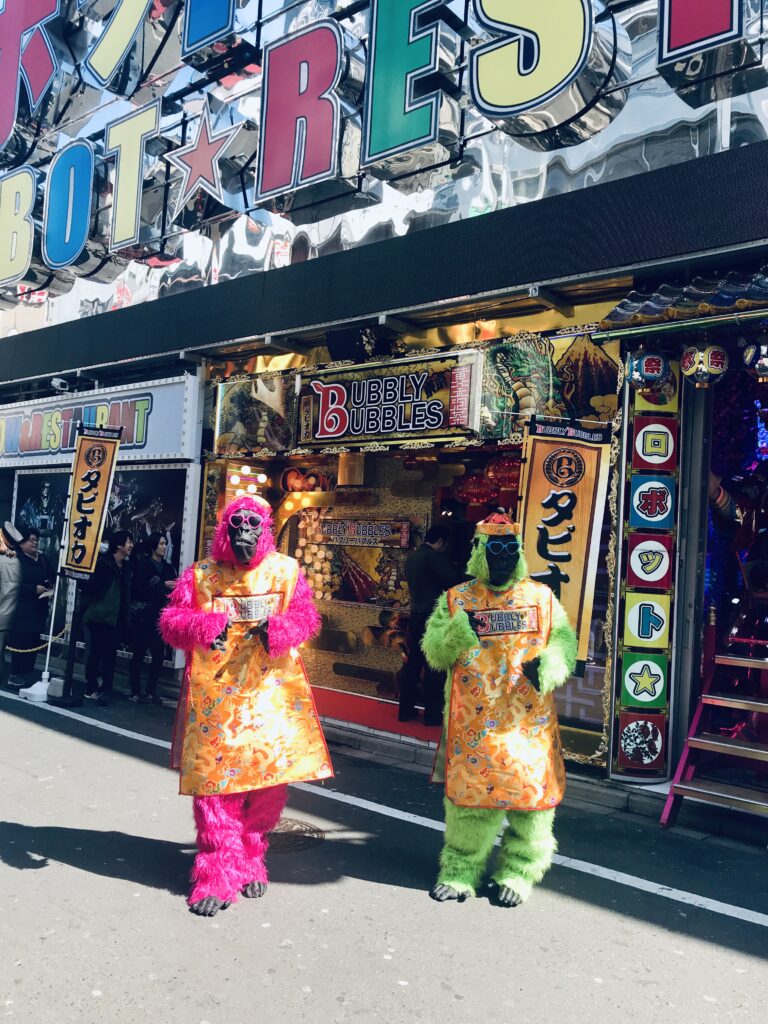
3. Japan: Where Old and New Meet
Japan is perfect for families who want to pair ancient culture with intense, futuristic stimulation.
We connect teens with local street-art curators in Tokyo, take them to custom workshops in Kyoto’s best hideaways with a working ceramicist, and organize private ramen-tasting tours.
It is a culture-shock in the best possible way—exactly the kind of “travel complexity” that keeps older brains engaged.
What Makes This Approach Magical
Travelers don’t come home talking about mileage or hotel amenities. They talk about things like:
- Meeting other families along the way.
- Stumbling into a tiny artisan café they hadn’t planned to visit.
- Sharing stories around a campfire after a long day of high-stakes activity.
Those small, connected moments are what make a high-end trip feel immersive instead of rushed. It is what transforms a family into a team.

Expert Tips for Planning Luxury Travel for Teens
Co-Author, Don’t Dictate.
Explain why you are involving them in the planning process. It’s not just about where they want to go, but what they want to do.
This shifts them from being passive attendees to active partners (a core part of how we work).
Soft-Start the Day.
Design itineraries with a gentle morning cadence. It’s okay if they want a morning to catch up on sleep or bandwidth; that’s better than forcing them into a vehicle when they’re not ready to engage.
Build-In Mandatory Downtime.
A common mistake is trying to see everything. Pacing is critical. The most successful high-stakes trips have large blocks of “unstructured time” where the family can just be at their incredible villa or hotel.

The Real Secret to a Dream Vacation with Older Kids
The most successful trips for families with teenagers follow a specific, intentional rhythm. It starts with waking up in a place that is inherently inspiring—a setting that feels like an adventure the moment you open your eyes.
Throughout the day, we focus on deep, hands-on immersion rather than passive sightseeing. This might mean spending the morning in a private kitchen in Rome learning the art of handmade pasta, or strapping on crampons for an ice hike across an Icelandic glacier. Whether it’s a high-stakes physical challenge or a quiet cultural discovery, these experiences are designed to spark genuine curiosity and keep everyone off their screens.
Finally, you arrive at the end of the day somewhere warm, comfortable, and welcoming—ready for a well-earned dinner and rest. Once you master this specific flow of luxury travel for teens, you’ll find that these years become the most rewarding time to explore the world together.