As a travel advisor who’s spent many years planning extraordinary journeys, I’ve logged countless hours in the air, from frequent 8-hour hops to Europe, to the marathon 19-hour Singapore to New York route (yes, I’ve been on the world’s longest commercial flight). Through trial, error, and plenty of jet lag, I’ve discovered several game-changing hacks that transform grueling long-haul flights into manageable, and even comfortable, experiences.
Let’s be honest: long flights aren’t exactly anyone’s idea of fun. But here’s the thing: they don’t have to be grueling endurance tests that leave you feeling like you’ve been hit by a truck. Whether you’re bound for the ancient temples of Thailand, an African safari adventure, or those dreamy overwater bungalows in the Maldives, these tried-and-true strategies will help you step off the plane feeling human again (and maybe even a little excited for what’s ahead).
Pre-Flight Preparation: Set Yourself Up for Success
Choose Your Seat Strategically
After years of booking flights for discerning clients, I’ve learned that seat selection can make or break your journey. For flights over 10 hours, I always recommend:
- Aisle seats for easy bathroom access and stretching
- Exit row seats when you need extra legroom (just be prepared to help in emergencies)
- Avoid seats near galleys and bathrooms unless you enjoy constant foot traffic
Pro tip: Use SeatGuru to check your specific aircraft’s seat map before booking. Not all exit rows are created equal.
Master the Art of Packing Light (But Smart)
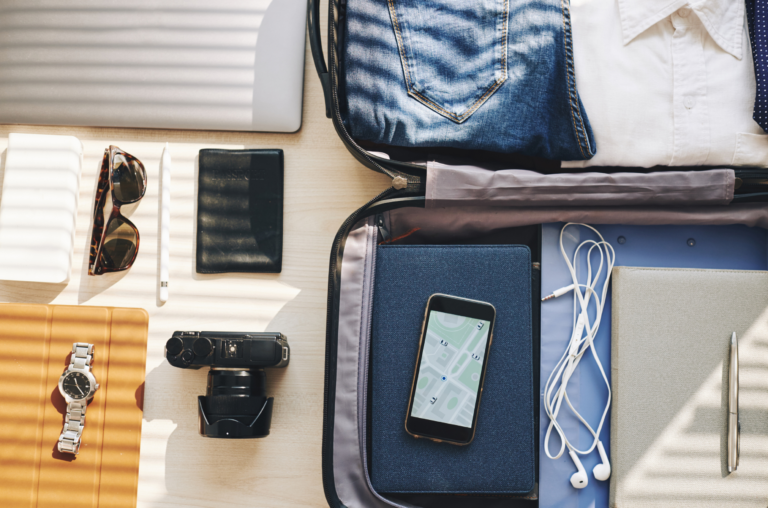
Your carry-on is your survival kit for long flights. Here’s what I never board without:
- Compression socks (trust me on this one; your ankles will thank you)
- Noise-canceling headphones for blocking out crying babies and chatty neighbors
- A travel pillow that actually works (I swear by the Turt’l)
- Layers because airplane temperatures are wildly unpredictable
- Entertainment downloaded offline (don’t “raw dog” it!)
In-Flight Comfort Hacks
Beat the Dehydration Game
At 35,000 feet, cabin humidity drops to about 10-20% (drier than the Sahara Desert). Combat this by:
- Drinking water before you feel thirsty. Aim for 8 ounces per hour of flight time
- Avoiding alcohol and excessive caffeine (they’re dehydrating)
- Using a hydrating facial mist mid-flight
- Bringing saline nasal spray to prevent dry, irritated sinuses
Create Your Sleep Sanctuary
On my recent 17-hour flight to Australia, I perfected my in-flight sleep routine:
- Change into comfortable clothes as soon as you board
- Use an eye mask and earplugs (even with noise-canceling headphones)
- Adjust your watch to destination time immediately and start thinking in that timezone
- Avoid screens 2 hours before your intended sleep time (blue light disrupts melatonin production)
The 30-Minute Rule
Every 30-60 minutes, I try to do something to keep my blood flowing:
- Simple ankle circles while seated
- Walk the aisle for 2-3 minutes
- Stretch in the galley area (flight attendants are usually happy to let you)
- Calf raises right at your seat
In-Seat Exercises
These discreet exercises help prevent deep vein thrombosis and general stiffness:
- Seated spinal twists
- Shoulder blade squeezes
- Neck rolls (gently)
- Seated figure-4 hip stretch
Entertainment and Mental Health
The 3-2-1 Entertainment Strategy
For ultra-long flights, I pack entertainment in three categories:
- Active engagement (podcasts, audiobooks, language learning apps)
- Passive consumption (movies, TV shows, music)
- Creative outlets (journaling, sketching, meditation apps)
This variety prevents the mental fatigue that comes from doing one activity for hours.
Mindfulness at 35,000 Feet
Long flights offer a unique opportunity for reflection and mindfulness. I use apps like Headspace or Calm for guided meditations, since there’s something profound about meditating while flying through clouds.
Nutrition and Hydration Strategies
Smart Snacking
Airplane food gets a bad rap, but strategic eating can help your body adjust:
- Eat according to your destination’s timezone (skip the meal if it’s supposed to be bedtime)
- Bring healthy snacks (nuts, dried fruit, protein bars)
- Avoid heavy, salty foods that increase water retention
- Request special meals (they’re often prepared fresher and served first)
The Airport Lounge Advantage
If you’re flying business class or have lounge access, use it strategically:
- Shower before long flights to feel fresh
- Eat a proper meal instead of relying on airplane food
- Relax in quiet spaces to start your journey calm
Recovery and Arrival Tips
The First 24 Hours Matter
Your first day sets the tone for beating jet lag:
- Don’t nap longer than 20 minutes upon arrival
- Get outside for natural light exposure
- Eat meals at local mealtimes even if you’re not hungry
- Stay hydrated (travel dehydration can last 24-48 hours)
Skincare After Long Flights
If the dry cabin air has wreaked havoc on your skin:
- Use a hydrating sheet mask upon arrival
- Apply a rich moisturizer immediately after landing
- Don’t forget your lips (they get especially dry)
Final Thoughts
After many years of planning luxury travel experiences and personally flying to some of the world’s most remote destinations, I’ve learned that preparation is everything. Long flights are simply the price we pay for incredible adventures, but with the right strategies, they don’t have to be painful.
Remember, every flight is different, and what works for a 12-hour journey to Thailand might need adjustment for a 16-hour trek to Australia. The key is being flexible and finding what works for your body and travel style.
Ready to put these tips to the test on your next adventure? Whether you’re planning a safari in Africa, a spiritual journey through Asia, or a romantic escape to the Maldives, proper preparation makes all the difference. Safe travels!